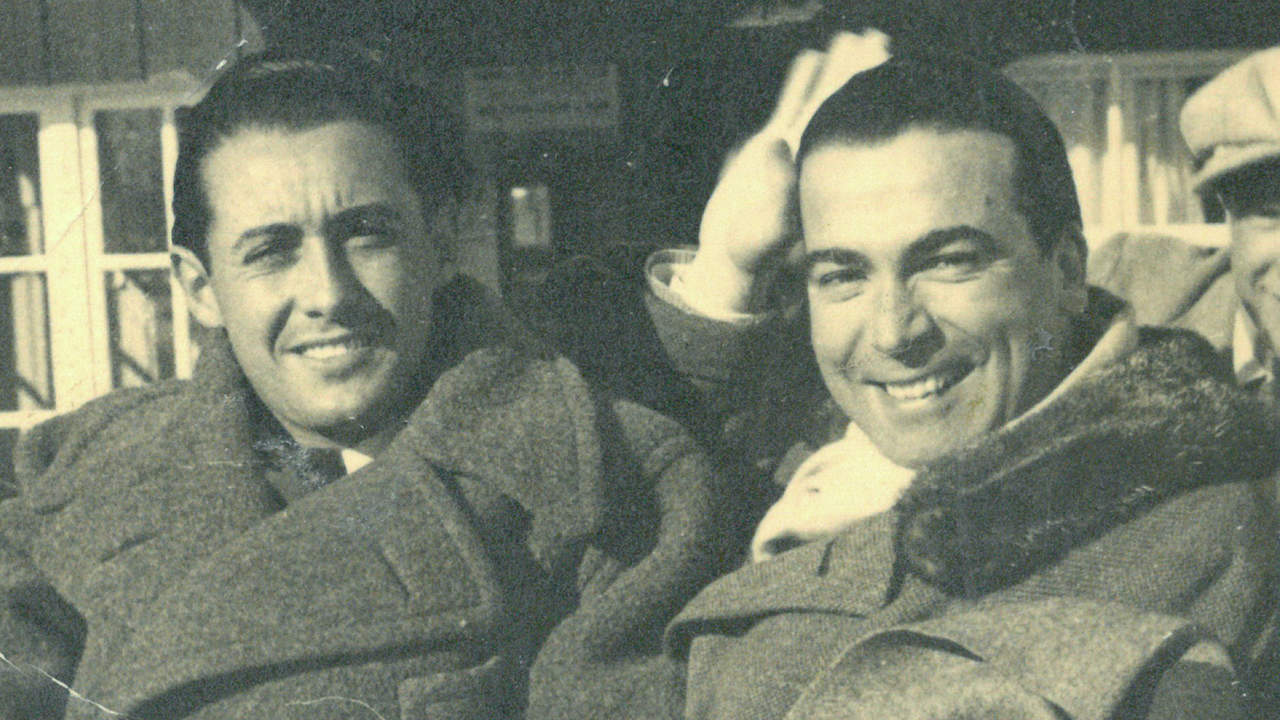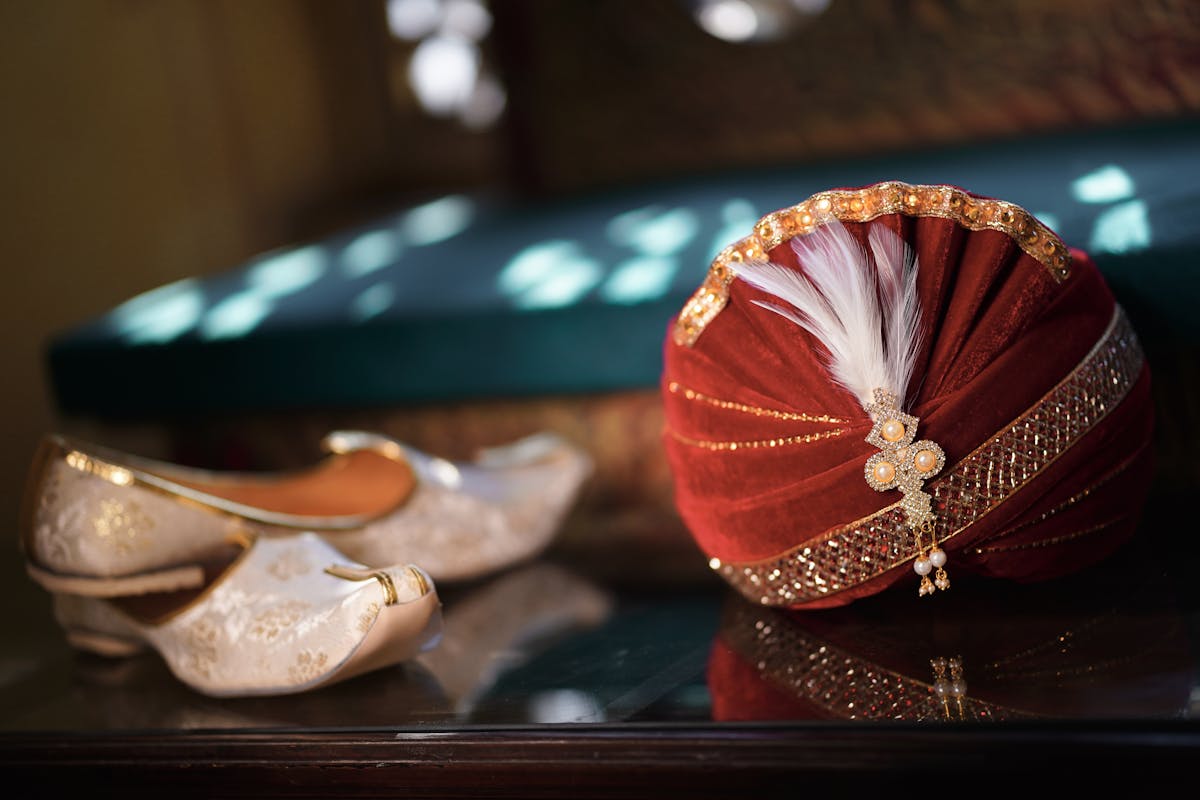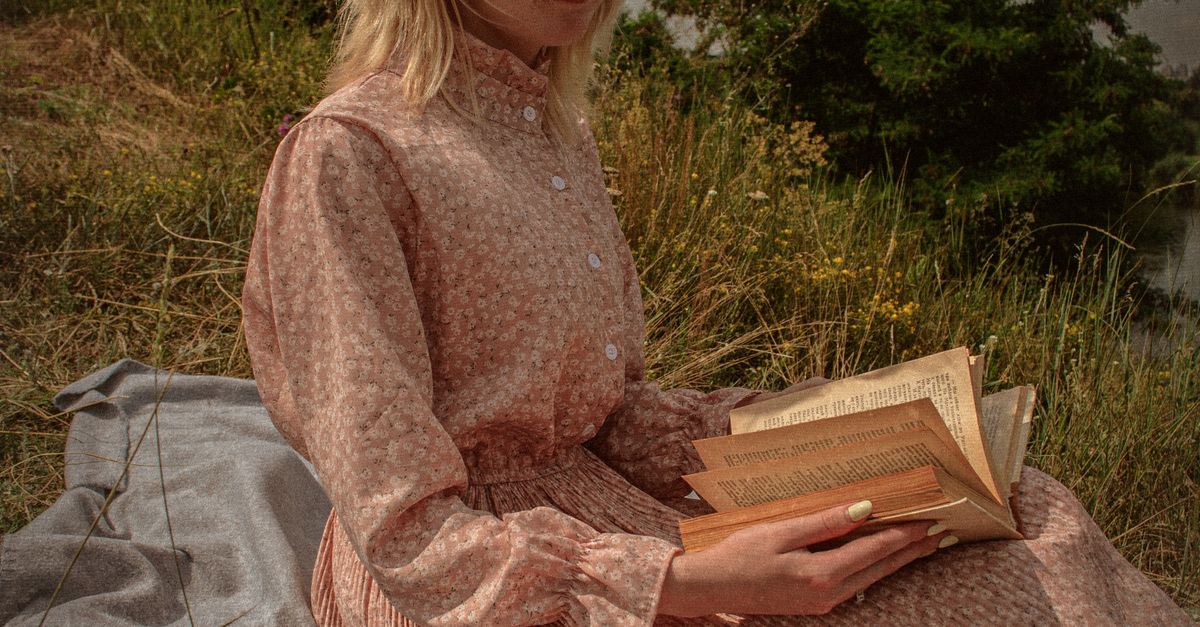

Understanding vintage style requires more than a superficial glance at fashion trends. It is an appreciation of history, a nod to past aesthetics, and a commitment to fabrics, patterns, and pieces that offer a sense of nostalgia and timelessness. The vintage style encompasses clothing, accessories, furniture, and even art, all originating from or inspired by past decades. Let’s delve into what makes vintage style distinct, exploring its origins, evolution, and modern-day appeal.
Tracing the Roots of Vintage Style
The word “vintage” originated in winemaking, where it described a high‑quality wine crafted in a particular year, and in a similar way, fashion and design use the term for pieces at least two decades old that reflect the signature aesthetics of their time; this makes the distinction between vintage and retro essential, since genuine vintage items come from a defined era, while retro creations merely echo that period’s style without belonging to it.
A classic 1920s flapper dress, for example, qualifies as a vintage piece, often noted for its drop waist, beaded details, and fringe that captured the bold glamour of the Roaring Twenties, while the 1970s brought back 1940s-inspired looks as “retro,” celebrating earlier stylistic influences.
How Vintage Style Has Transformed Across the Decades
Vintage style has constantly evolved, with each decade bringing new looks, materials, and cultural influences. In the 1920s, fashion was about defying social norms; garments were looser, and women felt liberated. The 1950s then shifted towards ultra-feminine silhouettes, characterized by cinched waists and full skirts, reflecting a post-war idealism.
Come the swinging 1960s, bold prints, and mod fashion took center stage, symbolizing youth and cultural shifts. By the 1980s, power suits, shoulder pads, and bold colors defined corporate confidence and the rise of consumer culture. Each era introduced iconic elements that contribute to what we now celebrate as vintage style.
Modern-Day Appeal of Vintage Style
In today’s fast-paced world of fast fashion and fleeting trends, vintage style offers enduring allure. The sustainability movement heavily influences this shift, with consumers gravitating towards thrift stores, vintage boutiques, and online marketplaces like Etsy and Depop. Here, the purchase of vintage clothing becomes both an ethical decision and a unique fashion statement.
Furthermore, the digital era has fostered a wave of vintage influencers, curators, and aficionados who showcase their discoveries and aesthetics online, motivating a new generation. Their admiration for the artistry, durability, and personal history embedded in each item has sparked a renewed fascination with vintage style.
Case Studies: Icons and Inspirations
Several icons reflect a vintage aesthetic, enriching this journey with added nuance and appeal. The actress Dita Von Teese, celebrated for her refined retro inspired style, frequently appears in silhouettes reminiscent of the 1950s. Musicians like Harry Styles draw inspiration from a range of eras, weaving classic motifs into contemporary performances and shaping a uniquely recognizable public image.
Another intriguing analysis looks at how celebrated designers such as Vivienne Westwood and Prada weave vintage inspirations into their lines, demonstrating that earlier styles still hold a powerful role in today’s fashion landscape.
The Enduring Appeal of Vintage Style
Vintage style resonates because it delivers a sense of authenticity and individuality in a time when sameness is widely promoted, rising beyond mere nostalgia as it enables wearers to convey who they are while honoring the narratives that came before. Its enduring charm stems from how effortlessly it aligns with evolving cultural values, with every item serving as a space for personal meaning and creative expression.
By embracing vintage style, we connect with history while contributing to sustainability, celebrating uniqueness, and fostering creativity. Thus, vintage style remains not only a fashion statement but a philosophy, inviting us to honor the past while moving forward with both mindfulness and flair.