A crucial meeting between China and the United States is approaching under the shadow of geopolitical uncertainty.
China is pressing ahead with plans for a high-level meeting between its leader Xi Jinping and U.S. President Donald Trump, even as instability in the Middle East complicates the diplomatic landscape. The summit, now expected to take place in mid-May, is viewed within Beijing as an important chance to recalibrate relations with Washington, despite ongoing tensions and uncertainties.
Sources familiar with internal discussions suggest that Chinese officials see the prolonged U.S. involvement in a conflict with Iran as a development that may have subtly shifted negotiating dynamics. While not openly stated, there is a perception among some policymakers that Washington’s challenges abroad could provide Beijing with a marginal advantage in upcoming talks. At the same time, this view is far from unanimous, with others urging restraint given the unpredictable nature of the situation.
A summit forged amid worldwide turbulence
The meeting between Xi and Trump was initially intended to focus on advancing agreements across trade, technology, and other key areas of mutual interest. However, the conflict involving Iran has introduced a new layer of complexity. What was once expected to be a structured diplomatic engagement has now become a negotiation influenced by rapidly evolving global conditions.
Chinese analysts emphasize that relations with the United States remain the cornerstone of Beijing’s foreign policy. Stabilizing ties between the two countries is seen as essential not only for bilateral cooperation but also for maintaining broader international equilibrium. This perspective underscores why the summit carries such weight, even as external crises threaten to overshadow it.
At the same time, the situation in the Middle East presents tangible risks for China. One of the most pressing concerns involves the Strait of Hormuz, a critical route through which a substantial portion of China’s imported energy supplies flows. Any prolonged disruption there could have serious economic implications, adding urgency to Beijing’s careful approach.
Diverging views within Beijing
Despite a general consensus on the importance of the summit, there is no unified stance within China on how to navigate the current circumstances. Some officials believe the United States may be eager to conclude its involvement in Iran swiftly, particularly if the conflict continues to strain domestic political support. Others warn that the unpredictability of U.S. policy makes it difficult to draw firm conclusions.
Concerns also extend to how the sequence of events might be interpreted globally. For instance, if Trump were to escalate military action against Iran either before or after visiting China, it could create diplomatic complications for Beijing, especially given its ties with Tehran. Balancing these relationships requires a nuanced strategy that avoids appearing aligned too closely with any one side.
China’s ties with Iran have long been anchored in energy collaboration and wider strategic priorities, leading observers to track conflict-related developments not only for their direct consequences but also for how they might alter regional alignments. Chinese policymakers remain acutely mindful of scenarios such as potential political shifts within Iran, which could significantly influence these dynamics.
Perceived shifts in negotiating leverage
Several analysts contend that the challenges encountered by the United States in the Iran dispute may have undermined its standing before entering talks with China. From this standpoint, Washington’s struggle to achieve a definitive result could reduce its leverage during negotiations. This line of thought indicates that Beijing might gain greater flexibility to press for concessions in fields like trade and technology.
Among the matters expected to take center stage in the talks are limits on exporting cutting‑edge technology, the position of Chinese firms subject to U.S. sanctions, and Washington’s approach to Taiwan. China is likewise anticipated to leverage the size of its domestic market, possibly proposing higher purchases of American products in return for policy shifts.
However, not all observers agree that the balance of power has shifted significantly. Some experts maintain that both countries retain substantial leverage over each other, particularly given the depth of their economic interdependence. From this standpoint, the Iran situation may influence the tone of the talks without fundamentally altering their dynamics.
Economic and political factors to consider
The timing of the summit is also significant in the context of domestic politics in the United States. With midterm elections approaching, Trump may be under pressure to demonstrate tangible achievements on the international stage. A successful visit to China, accompanied by announcements of major trade deals or agreements, could serve as a valuable political asset.
For China, the calculation takes a different yet equally intricate turn. Beijing is maneuvering through a global landscape shaped by economic instability and evolving alliances. The continuing conflict has intensified fluctuations in energy markets and underscored the need for strategic long-range planning and stronger resilience.
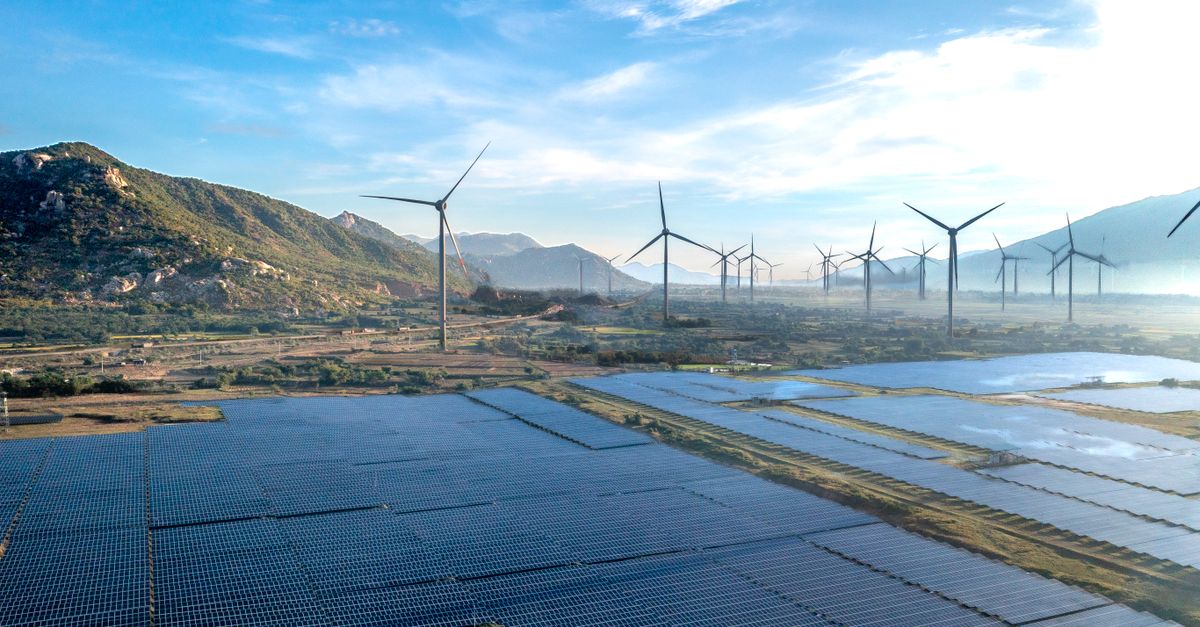
China’s emphasis on renewable energy and self-sufficiency is increasingly seen as a strategic advantage in this context. By reducing dependence on external resources, the country has been better positioned to absorb shocks arising from global disruptions. This approach has also enhanced its image as a stable actor on the world stage.
China’s global positioning amid conflict
Throughout the Iran crisis, China has sought to present itself as a proponent of stability and dialogue. Calls for peaceful resolution and support for developing nations affected by rising energy costs have been central to its messaging. This stance has resonated with some countries, particularly those looking for alternatives to traditional Western leadership.
Observers note that the contrast between China’s approach and that of the United States has not gone unnoticed. While Washington has been directly involved in the conflict, Beijing has maintained a more measured posture, focusing on diplomacy and economic support. This difference has contributed to perceptions of China as a steadying force during a period of uncertainty.
As this unfolds, China also feels the economic repercussions of the conflict. Rising energy costs and interruptions to trade corridors have left their mark, even as the country works to counter these pressures through strategic measures. The broader outlook reflects guarded optimism balanced by recognition of persistent risks.
Historical backdrop and ongoing frictions
The upcoming meeting between Xi and Trump will unfold amid a complicated and frequently tense relationship, and although earlier encounters such as Trump’s 2017 visit to Beijing featured highly choreographed diplomatic gestures, the intervening years have brought steadily rising friction between the two countries.
Disputes over trade, technology, and security have become defining features of the relationship. Issues such as Taiwan and accusations related to the COVID-19 pandemic have further deepened divisions. Incidents like the high-profile surveillance balloon controversy have also contributed to mutual distrust.
Given this background, realism keeps expectations for the summit in check, with both parties likely entering the discussions holding defined goals yet anticipating only modest advances rather than major breakthroughs, making gradual improvements the most attainable result.
Managing expectations ahead of the meeting
Chinese officials seem determined to uphold a measured stance as the summit approaches, with public remarks steering clear of direct critiques of Trump to deliberately temper potential friction. On the U.S. side, officials have likewise exercised caution when discussing delicate matters, signaling that both parties are interested in keeping the door open for productive dialogue.
Despite differing perspectives on the impact of the Iran conflict, there is a shared recognition that the relationship between China and the United States remains one of the most consequential in global affairs. Decisions made during the summit could influence not only bilateral ties but also broader international dynamics.
As preparations continue, both governments are likely to focus on areas where progress is possible while managing disagreements carefully. The complexity of the issues at hand means that any outcomes will be shaped by a combination of strategic calculation, external pressures, and the evolving geopolitical environment.
The planned meeting between Xi Jinping and Donald Trump represents more than just a diplomatic engagement. It is a reflection of the shifting balance of power in a world where regional conflicts and global competition are increasingly intertwined. Whether the talks lead to meaningful progress or simply reaffirm existing positions, they will play a role in defining the next phase of relations between two of the world’s most influential nations.