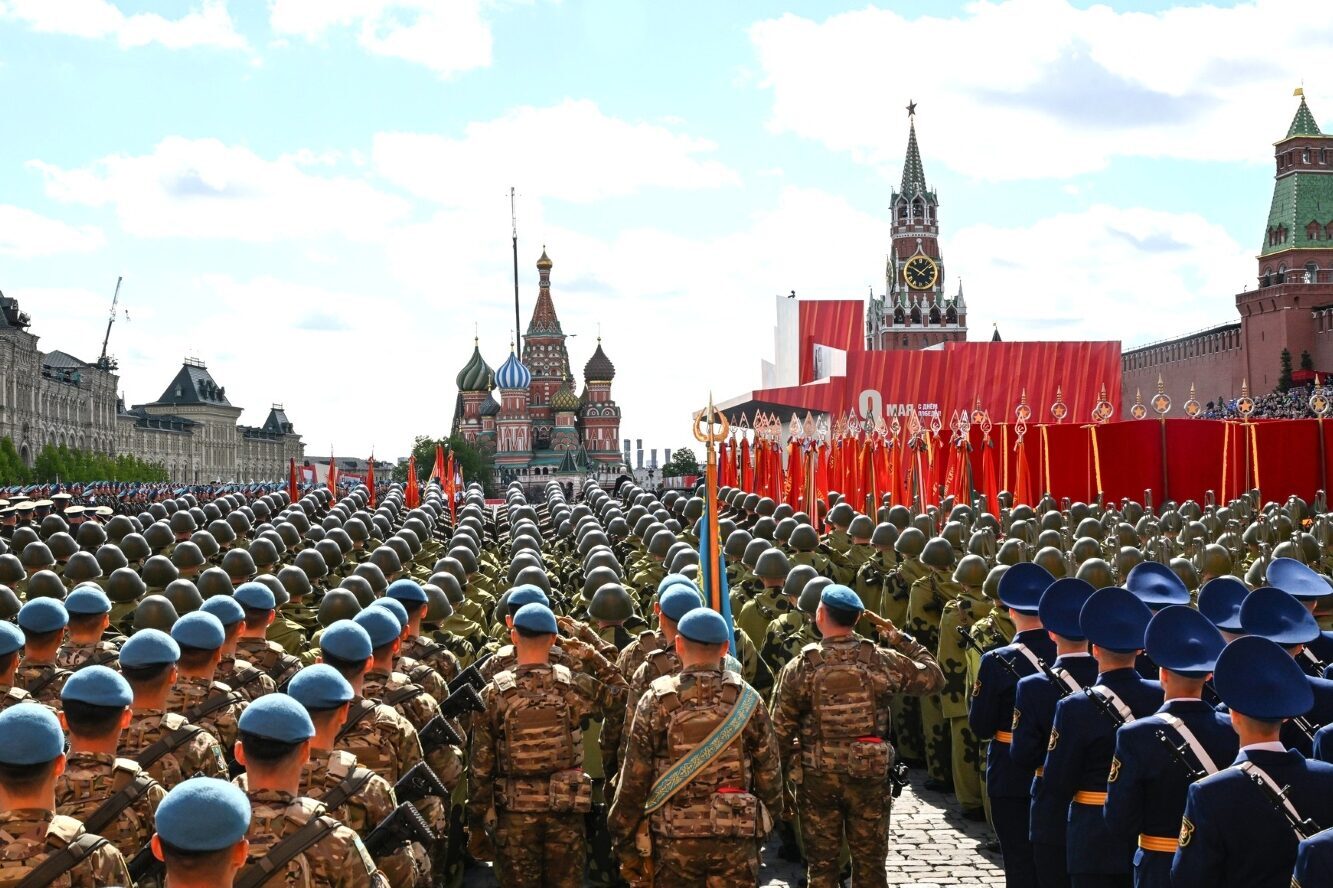

Nearly one million Russian soldiers have been killed or wounded in the three-year war against Ukraine, according to a new report from the Center for Strategic and International Studies (CSIS). The staggering figure underscores the immense human cost of Moscow’s invasion, which has also claimed the lives of an estimated 400,000 Ukrainian troops. Combined, the conflict has resulted in approximately 1.4 million military casualties—one of the deadliest wars of the 21st century.
A War of Attrition with Limited Gains
Despite its overwhelming numerical advantage, Russia’s military campaign has been marked by slow progress and devastating losses. Since the full-scale invasion began in February 2022, Russian forces have captured less than 1% of Ukrainian territory in 2024, according to CSIS. In total, Moscow now occupies roughly 20% of Ukraine, but its advances have been painstakingly slow—sometimes as little as 50 meters per day, a pace even slower than the grinding trench warfare of World War I.
“Russia’s military campaign in Ukraine is on track to be one of the slowest offensive campaigns in modern warfare,” said Seth G. Jones, a senior adviser at CSIS and co-author of the study. “They’ve suffered over a million casualties, captured a tiny amount of territory, and lost massive amounts of military equipment.”
Russia’s Historic Losses
The report estimates that nearly 250,000 Russian soldiers have been killed—a death toll surpassing any Soviet or Russian conflict since World War II. For comparison, the Soviet Union lost 8.7 million troops in WWII. Meanwhile, Ukraine has suffered between 60,000 and 100,000 military fatalities, a significant proportion of its smaller armed forces.
Russia maintains a three-to-one troop advantage on the battlefield, with roughly 400,000 Russian soldiers currently facing 250,000 Ukrainians along the front lines. However, Ukraine’s ability to inflict disproportionate casualties has severely degraded Russia’s combat effectiveness.
How Russia Sustains Its War Machine
Despite these losses, Moscow has kept its military ranks filled through brutal conscription tactics, including:
-
The first mass military draft since WWII, targeting young men and pressuring prisoners and debtors to enlist.
-
Financial incentives, with bounties offered to new recruits.
-
Foreign reinforcements, including over 10,000 North Korean troops deployed to assist in recapturing Russia’s Kursk region after Ukrainian incursions last summer.
Yet, these measures have not translated into decisive victories. Instead, Russia faces a protracted war of attrition, with no clear path to a swift victory unless Western support for Ukraine collapses.
Ukraine’s Resilience and Western Support
Ukraine’s ability to hold the line—and even launch bold strikes deep inside Russia, such as recent attacks on Russian airfields—has shattered the myth of Russian military invincibility.
“The Russian military has struggled to conduct large-scale ground operations, overcome prepared Ukrainian defenses, or break through Ukrainian lines to achieve operationally significant gains,” the CSIS report noted.
U.S. and European officials warn that continued military and intelligence aid to Ukraine is critical. If support wavers, particularly from the United States, Russia could regain momentum.
The Role of U.S. Politics in the War’s Future
The study’s authors suggest that Russia’s long-term success hinges on Western political shifts.
“If the United States withdraws support, Russia could eventually overpower Ukraine,” Jones said. However, if American and European assistance continues, Putin faces years of costly stalemate.
Former U.S. President Donald Trump, who once claimed he could quickly negotiate peace, has yet to outline a concrete plan to end the war. His stance remains a wildcard, with Ukrainian and European leaders urging stronger measures to pressure Moscow.
The CSIS report paints a grim picture:
-
Russia’s casualties are unprecedented in post-WWII history.
-
Ukraine, though outnumbered, has proven resilient.
-
The war’s outcome depends heavily on Western support.
With neither side capable of a knockout blow, the conflict may drag on for years, leaving millions of lives in the balance.