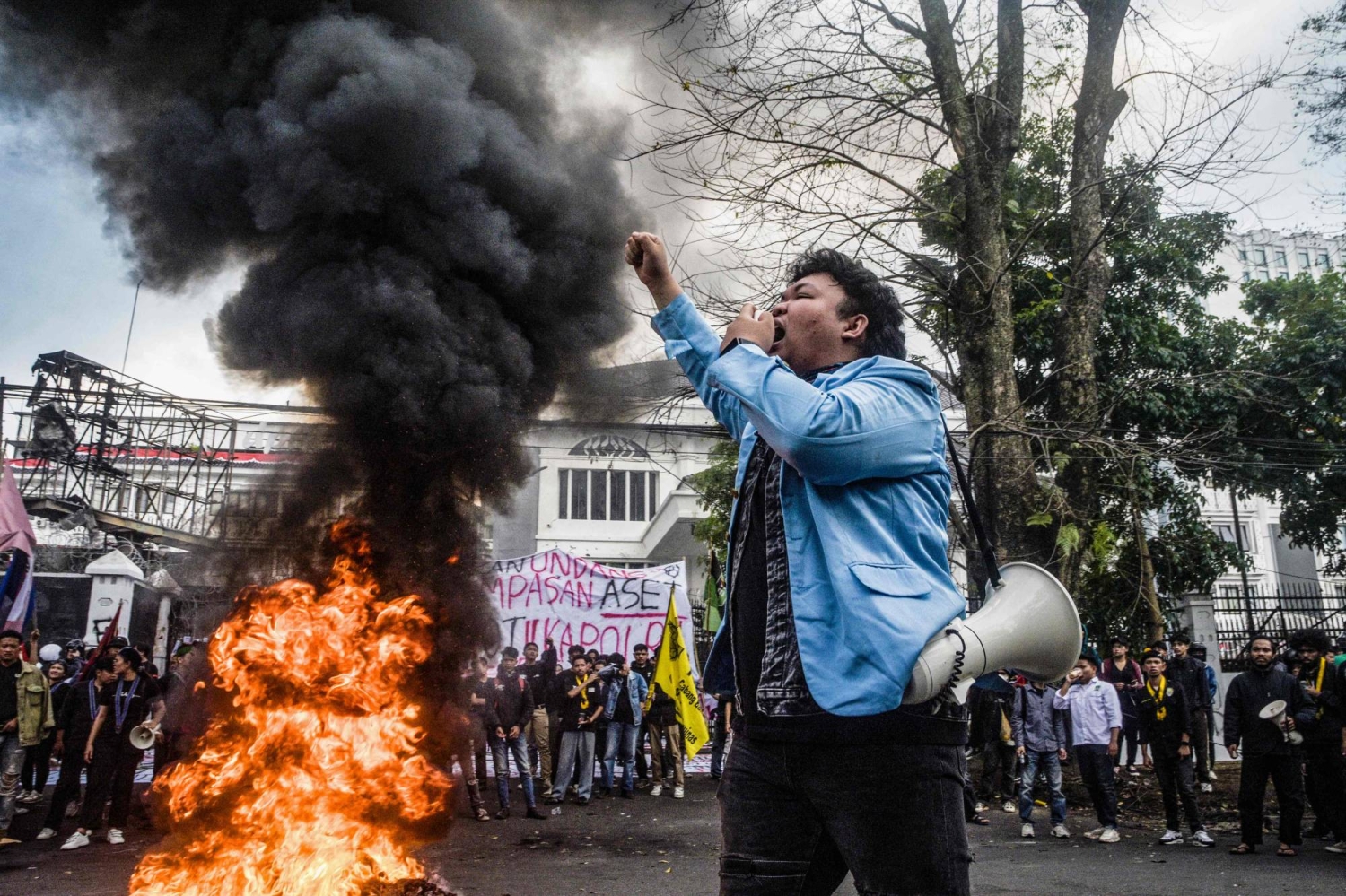

In an unexpected development, Indonesia’s President has made major policy changes after a wave of violent protests led to the cancellation of a scheduled diplomatic trip to China. The disturbances, which spread through various cities, underscored significant societal and economic discontent, pushing the government to reevaluate its domestic and international strategies. This situation highlights the fragile equilibrium Indonesia must maintain as it handles internal challenges while upholding its position internationally.
The protests began earlier this week and quickly escalated into violent clashes between demonstrators and security forces. Citizens took to the streets to express dissatisfaction over rising living costs, new economic regulations, and perceived governmental neglect of public welfare. In several areas, protests turned deadly, with multiple casualties reported and hundreds of injuries. The intensity of the demonstrations, combined with growing public outrage, made it impossible for the president to proceed with the planned summit in China, which had been intended to strengthen bilateral trade and investment ties.
Analysts observe that canceling the summit visit stands out as an uncommon example of swift policy adjustment due to internal turmoil. By postponing the journey, the president demonstrated the gravity of the national situation and placed more importance on addressing the public’s issues than on international diplomatic engagements. This decision highlights the realization that public backing is crucial for enduring political stability and economic growth in a nation as varied and populous as Indonesia.
The measures declared by the president consist of actions designed to lessen the financial strain on families, focusing mainly on communities with lower incomes. These actions incorporate temporary aid for essential products, modifications to fuel costs, and an examination of debated economic changes that had triggered the first wave of protests. Authorities have stressed that these initiatives aim to show a commitment to public opinion and rebuild confidence between the government and its citizens.
Beyond immediate economic relief, the administration has pledged to engage in broader consultations with civil society groups, labor unions, and regional leaders to ensure that future policies reflect a more inclusive decision-making process. This approach aims to prevent further unrest by creating channels for dialogue and collaboration, giving citizens a direct voice in shaping economic and social reforms.
The cancellation of the China summit, while significant diplomatically, also carries implications for Indonesia’s foreign policy strategy. China is a major trading partner and investor in Southeast Asia, and the visit had been expected to solidify agreements on infrastructure projects, trade deals, and strategic cooperation. By postponing the trip, Indonesia temporarily delays these negotiations, which could affect timelines for ongoing initiatives such as port development, energy projects, and technology collaborations. However, analysts suggest that the government’s domestic stability measures are likely to enhance its negotiating position in the long term, demonstrating a commitment to a stable, well-governed environment.
Public feedback regarding the president’s compromises has been varied. A number of individuals see the policy changes as a favorable move towards tackling structural disparities and making sure that the economic development advantages reach a wider portion of the populace. Conversely, some people are doubtful, wondering if these actions are enough to address the fundamental sources of general dissatisfaction. Social media sites have become arenas for discussion, showcasing the nation’s wide range of perspectives and the active participation of Indonesians in civic matters.
The duties of police and emergency services have also faced examination. Authorities were sent to manage order during the protests, but allegations of undue force have led to demands for increased transparency and change. Civil rights groups have stressed the importance of measured actions that safeguard public security while respecting the right to peaceful protest. These conversations are anticipated to shape forthcoming plans for managing civil disorder and ensuring that demonstrations stay peaceful.
Economists warn that the protests and subsequent policy concessions may have short-term economic repercussions, including market volatility, disruptions to trade, and delays in foreign investment projects. However, many agree that these steps are crucial for maintaining long-term stability. Ensuring that citizens feel heard and protected can foster a more resilient economy, encourage sustainable development, and prevent deeper social fractures.
The Indonesia case also highlights broader regional implications. Southeast Asia is home to several emerging economies facing similar challenges of balancing rapid growth with social equity and public satisfaction. Indonesia’s response to domestic unrest offers lessons for neighboring countries on crisis management, the importance of proactive communication, and the value of prioritizing citizen welfare alongside international commitments.
Specialists highlight that it is crucial for the government to persist in observing the social and economic environments to avoid potential escalations. Proposed strategies involve enhancing social welfare nets, developing tailored job programs, and increasing clarity in policy formulation. Good communication with the populace, along with prompt and impactful measures, will be essential in ensuring that the public views the government as attentive and responsible.
The incident also raises questions about the interplay between domestic politics and international diplomacy. While leaders often seek to project stability and continuity abroad, unexpected domestic crises can force difficult trade-offs. In this case, the president’s decision to cancel the China summit reflects a calculated prioritization of national stability over immediate diplomatic engagement. Observers suggest that this approach may ultimately strengthen Indonesia’s credibility on the international stage by demonstrating a commitment to responsible governance.
Alongside modifications in policies, the administration has initiated outreach programs to clarify the reasons for the decisions and gather input from impacted communities. Public meetings, internet platforms, and partnerships with local officials are employed to involve citizens directly. Through promoting open discussion and clarity, the government seeks to restore confidence and motivate meaningful involvement in developing future strategies.
The events in Indonesia also underscore the importance of crisis preparedness in modern governance. Governments must be ready to respond rapidly to social, economic, and political disruptions while maintaining essential functions and safeguarding international relationships. Effective crisis management involves a combination of strategic planning, adaptive leadership, and open communication with both domestic and foreign stakeholders.
Anticipating future developments, Indonesia confronts the task of executing the declared concessions efficiently as it gets ready to reintegrate into global discussions, such as the postponed summit with China. Achieving success will rely heavily on the meticulous collaboration among government officials, the public sector, corporate executives, and foreign allies. The skill to harmonize internal stability with international relations is expected to shape the government’s reputation both nationally and internationally.
The recent protests and subsequent policy concessions in Indonesia illustrate the complex interplay between domestic governance and international diplomacy. By responding to citizen demands and postponing a key international visit, the president has signaled a willingness to prioritize public welfare while navigating challenging economic and social conditions. The coming months will be critical in assessing the effectiveness of these measures, the resilience of public trust, and the country’s capacity to resume its diplomatic initiatives on a stable footing. Indonesia’s experience offers valuable insights into crisis management, the importance of responsive leadership, and the enduring significance of balancing domestic needs with international ambitions.