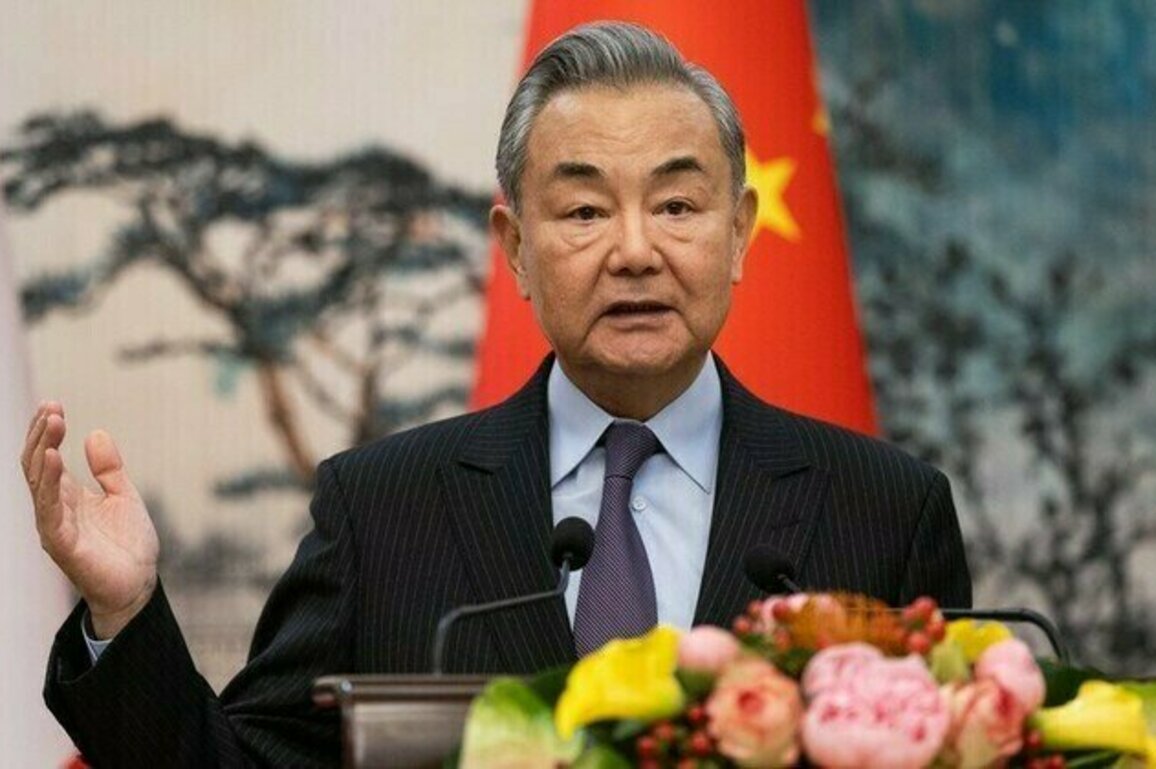

El panorama del comercio mundial ha entrado en otra fase turbulenta, mientras que Beijing ha criticado con dureza la reciente decisión de Washington de imponer altos aranceles a los productos que provienen de India. Esta medida, que establece un arancel del 50 por ciento sobre una variedad de exportaciones indias hacia los Estados Unidos, ha generado un amplio debate sobre el proteccionismo, la estrategia económica y el futuro de las relaciones comerciales internacionales.
China’s condemnation of the policy came swiftly, framing the decision as an example of what it terms “bullying tactics” within the global economic system. According to Chinese officials, such measures undermine the principles of fair competition and threaten the stability of the international market. By targeting a significant trade partner like India, Beijing argues, the United States risks triggering a chain reaction that could further strain supply chains and damage emerging economies already facing inflationary pressures.
The imposition of tariffs on Indian goods is part of a broader U.S. effort to recalibrate trade relations in a world increasingly shaped by geopolitical rivalry and economic nationalism. American officials maintain that the decision aims to address concerns over trade imbalances, market access, and domestic industry protection. However, critics see it as another sign of a protectionist turn that could have far-reaching consequences for global commerce.
For India, this development presents a complex challenge. As one of the fastest-growing economies, the country has been working to position itself as a reliable manufacturing hub and a preferred alternative to China for global supply chains. The imposition of higher tariffs on its goods entering the U.S. market complicates this strategy, potentially reducing competitiveness in key sectors such as textiles, pharmaceuticals, and information technology services.
Economists warn that these tariffs could dampen export growth at a time when India is seeking to attract foreign investment and boost its global trade footprint. While the Indian government has yet to announce a formal response, analysts suggest that retaliatory measures or intensified negotiations could follow. The risk of escalating tensions into a full-scale trade dispute cannot be ruled out, especially if both sides fail to find common ground.
China’s vocal opposition to the U.S. move reflects more than solidarity with India; it underscores Beijing’s broader critique of Washington’s trade policies in recent years. Chinese authorities argue that unilateral tariffs distort the rules-based global trading system overseen by organizations such as the World Trade Organization (WTO). By bypassing multilateral frameworks in favor of direct economic pressure, Beijing claims, the United States undermines trust among trading partners and erodes the spirit of cooperation that has underpinned decades of globalization.
Furthermore, Chinese analysts point out that measures like these have ripple effects beyond the targeted countries. When tariffs rise, production costs increase, and global supply chains—already fragile due to pandemic disruptions and geopolitical tensions—become even more volatile. For developing economies, which rely heavily on export-driven growth, the consequences can be severe.
From the viewpoint of Washington, the increase in tariffs is intended to protect American companies from what is perceived as unfair competition. Authorities in the U.S. assert that products from India have gained advantages due to market situations that place American producers at a disadvantage, such as reduced labor expenses and some government-supported incentives. They claim that higher tariffs help level the playing field, enabling local industries to prosper.
Este razonamiento está en línea con una tendencia más amplia en la política económica de EE.UU., donde los aranceles y las restricciones comerciales se utilizan cada vez más como instrumentos para perseguir objetivos tanto económicos como estratégicos. En los últimos años, se han implementado medidas similares sobre productos chinos, reflejando preocupaciones sobre la propiedad intelectual, la seguridad nacional y los déficits comerciales. Extender este enfoque a India sugiere que Washington está dispuesto a ejercer presión constante sobre todos los socios comerciales importantes para lograr sus propósitos.
The disputes over these tariffs bring back old discussions regarding the stability of the global trade system. Entities such as the WTO were created to handle these conflicts and guarantee that trade regulations are uniformly enforced among countries. Nonetheless, when significant economies choose to act alone, the trust in these organizations is challenged.
Experts warn that if large economies continue to impose tariffs outside established frameworks, smaller nations may follow suit, leading to a fragmentation of global trade. Such a scenario would not only increase costs for businesses and consumers but also hinder economic recovery efforts in the aftermath of recent global crises.
For India, the situation is particularly delicate. On one hand, the country values its growing economic relationship with the United States, which has become a key partner in trade, technology, and defense. On the other, New Delhi is wary of appearing too dependent on any single partner, especially as it seeks to maintain autonomy in an era of intensifying geopolitical rivalry.
India’s decision-makers are currently confronted with challenging options. Should they implement reciprocal tariffs and risk increasing tensions, or aim for a negotiated agreement to maintain entry to the profitable U.S. market? The solution might hinge on how the two nations define their long-term economic goals and if diplomatic conversations can avert a trade dispute from escalating uncontrollably.
This disagreement should not be considered in a vacuum. It arises amidst a transforming global landscape where economic strength is becoming more closely linked to strategic power. Washington’s trade strategy showcases its larger endeavor to bolster national resilience and curb the economic sway of emerging powers. At the same time, Beijing’s reaction emphasizes its goal to establish itself as a protector of multilateral cooperation and a supporter of the interests of developing countries.
For India, the path forward may involve deepening trade ties with other partners, accelerating free trade agreements, and boosting domestic competitiveness to offset the impact of tariffs. At the same time, maintaining a delicate balance between the U.S. and China will remain a central challenge in its foreign policy calculus.
Beyond diplomatic statements and policy debates, these tariffs will have tangible consequences for businesses and consumers. Indian exporters, particularly small and medium enterprises, face the immediate challenge of absorbing higher costs or passing them on to buyers—options that could erode market share. American importers, meanwhile, may encounter supply disruptions and rising prices, ultimately affecting consumers.
Global companies that rely on Indian supply chains could also experience higher operational costs, prompting them to reevaluate sourcing strategies. These adjustments, while gradual, could reshape trade flows in ways that influence everything from retail pricing to job creation in multiple countries.
In the upcoming months, it will become clear if this disagreement intensifies or transitions into a dialogue. A significant factor will be the readiness of both Washington and New Delhi to participate positively and the capability of global organizations to mediate successfully. The role of Beijing introduces additional complexity, as China aims to use its critique of U.S. policies to bolster its portrayal of upholding international justice.
As the world watches, one thing is clear: the era of predictable trade relations is over. Tariffs, countermeasures, and strategic alliances are now central to the economic playbook of major powers. For businesses and policymakers alike, adaptability will be key to navigating an environment where economic decisions are inseparable from geopolitical considerations.