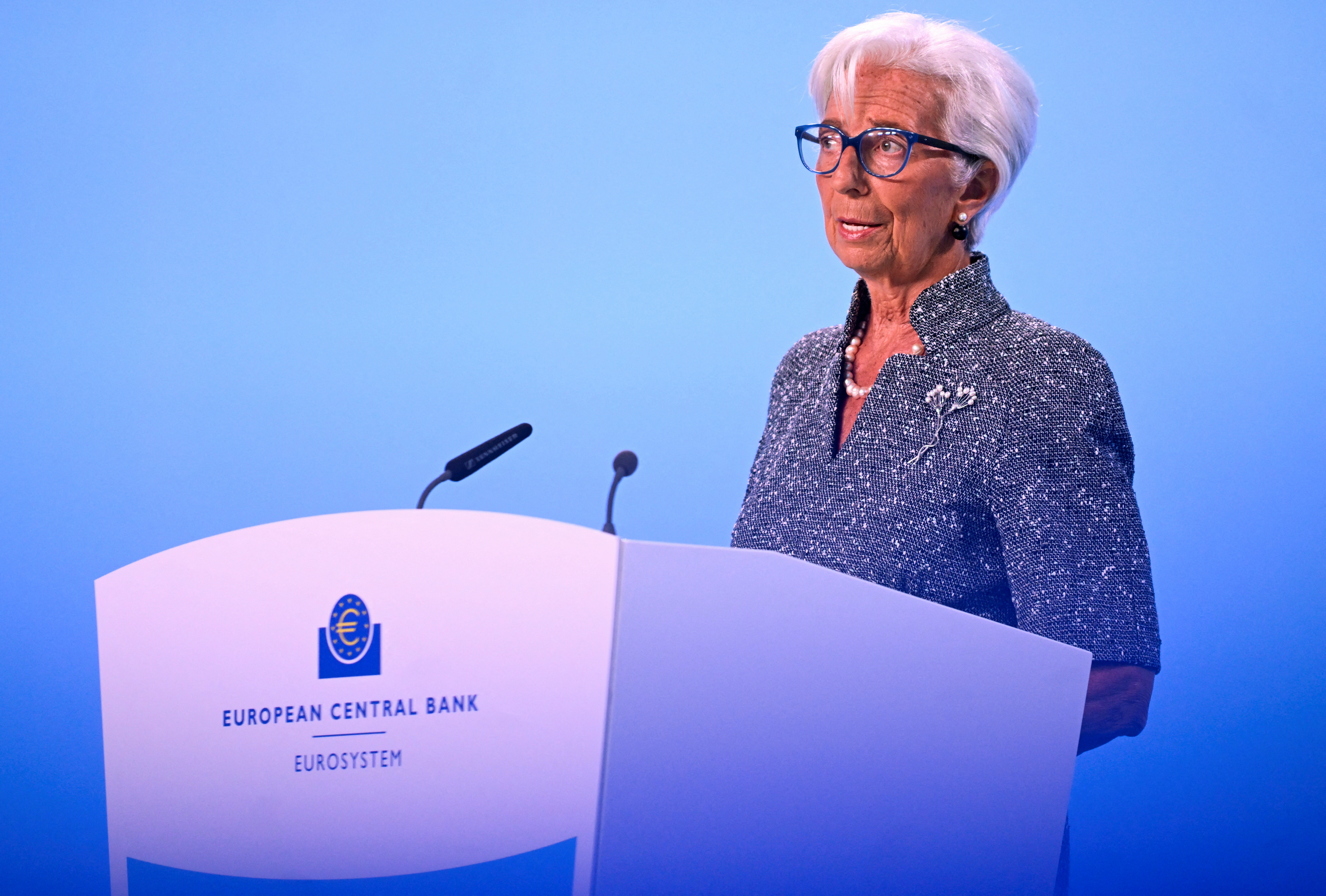

The independence of central banks has long been considered a cornerstone of economic stability, providing a safeguard against political interference in monetary policy. Recently, European Central Bank President Christine Lagarde underscored this principle with a clear warning: any erosion of the Federal Reserve’s autonomy would create significant risks for financial markets, economic growth, and public trust in institutions. Her statement reflects a growing concern among economists that central bank independence, once taken for granted, is facing unprecedented pressures in a rapidly changing global landscape.
Lagarde’s remarks come at a time when central banks worldwide are navigating a delicate balancing act. After years of low interest rates, quantitative easing, and extraordinary measures to stabilize economies during the pandemic, monetary authorities now face the challenge of taming inflation without triggering a deep recession. The Federal Reserve, in particular, has been at the center of this effort, raising rates to control price growth while monitoring the potential impact on employment and financial stability.
In this context, political voices have become increasingly vocal about monetary policy decisions. Some argue that interest rates remain too high, placing unnecessary strain on households and businesses. Others insist that a premature loosening of policy could reignite inflationary pressures. Lagarde’s warning addresses the danger of allowing such debates to dictate central bank actions, emphasizing that monetary policy must be based on data and long-term objectives rather than short-term political gains.
History offers numerous examples of the consequences when monetary policy becomes politicized. When governments exert pressure on central banks to keep rates artificially low, the result often includes runaway inflation, currency devaluation, and the erosion of investor confidence. Conversely, overly restrictive measures driven by political agendas can stifle growth and deepen economic downturns. Lagarde’s comments remind policymakers that the credibility of institutions like the Federal Reserve depends on their ability to operate free from partisan influence.
The autonomy of the Federal Reserve is more than just a legal technicality; it is crucial for preserving worldwide financial stability. Financial markets and investors depend on predictable and data-driven choices made by central banks. If these decisions appear to be swayed by political agendas, it could erode trust in the U.S. economy, disrupt currency markets, and have widespread impacts on trade and investment flows globally. Consequently, Lagarde’s statements underscore a concern that reaches beyond the United States, emphasizing the interconnectedness of the global economic system.
Although the independence of central banks is considered crucial, it still faces examination and criticism. Political leaders frequently express dissatisfaction when policy choices clash with their fiscal goals or campaign assurances. In the past few years, the emergence of populist movements has strengthened demands for increased political influence over economic controls, such as monetary policy. These demands grow stronger in times of economic difficulty, when the public desires swift solutions to increasing expenses or unemployment, and politicians search for methods to provide rapid outcomes.
Lagarde’s perspective aligns with a long-standing consensus among economists: short-term political interference tends to produce long-term instability. Monetary policy operates on delayed effects, meaning that actions taken today influence inflation, employment, and growth months or even years later. Politically motivated decisions, however, often prioritize immediate benefits over future consequences, creating a cycle of volatility that undermines sustainable economic progress.
Another critical aspect of this debate involves public perception. Trust in financial institutions is already fragile in many parts of the world, eroded by crises and scandals over the past two decades. If the public begins to view central banks as extensions of political power rather than independent guardians of economic health, confidence in the broader financial system could deteriorate. Such a shift would complicate efforts to manage crises, as credibility is a vital tool in calming markets during periods of uncertainty.
The question of independence also intersects with transparency and accountability. Critics argue that granting too much autonomy to central banks risks insulating them from democratic oversight. Proponents counter that independence does not mean lack of accountability; rather, it ensures that decisions are made based on expertise and data rather than political expediency. Lagarde’s comments suggest that preserving independence must go hand in hand with clear communication, robust governance, and mechanisms for public scrutiny that reinforce legitimacy without compromising operational autonomy.
The recent direction taken by the Federal Reserve underscores the significance of this principle. Confronted with inflation levels not experienced in many years, the Fed adopted assertive rate increases to control price levels. These actions were not well-received in some political areas since they elevated borrowing costs for both consumers and companies. Nonetheless, central bankers contended that not acting resolutely would permit inflation to escalate further, eventually resulting in more substantial damage to the economy. This situation highlights the necessity for independence: challenging choices frequently demand emphasizing long-term steadiness over immediate popularity.
Lagarde’s warning resonates beyond Washington. Around the world, central banks face similar challenges as governments expand fiscal spending, and geopolitical tensions disrupt trade and energy markets. In such an environment, the temptation for political leaders to influence monetary decisions grows stronger. Whether in emerging markets or advanced economies, maintaining institutional independence is vital to preventing policy mistakes that could exacerbate global volatility.
Ultimately, the debate over central bank autonomy reflects a broader tension between technocratic governance and democratic accountability. While elected officials bear responsibility for economic outcomes, central banks function as specialized institutions designed to shield monetary policy from the ebbs and flows of partisan politics. Lagarde’s message serves as a reminder that weakening this safeguard could undermine not only economic performance but also the resilience of democratic systems themselves.
In today’s world, where we face challenges like rising prices, advancements in digital money, and increased global tensions, the importance of central banks operating independently is even greater. They must guide nations through unpredictable times while ensuring confidence in the steadiness of currencies and financial institutions. Undermining their autonomy could lead to immediate risks and potentially bring about future economic turmoil, a scenario that both leaders and the public must strive to avoid.
Lagarde’s statements should not be viewed merely as a warning but as an appeal to reinforce one of the fundamentals of contemporary economic management. During periods of swift evolution and political division, the urge to weaken institutional protections becomes tangible. Maintaining the independence of central banks such as the Federal Reserve is not only a matter of principle—it is essential for enduring growth, price stability, and trust in the global economy.